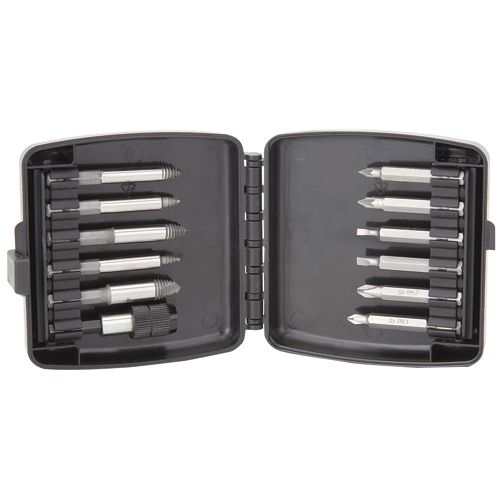
DRILL MASTER Screw Remover and Quick Change Bit Set, 12 Piece
- This 12 piece bit set works with any insert bit holder or 3/8 in. drill chuck to quickly remove stripped or broken screws without damage to surrounding areas. The quick change bits are made of chrome vanadium steel for maximum durability and to maintain optimal performance during regular use. A quick change adapter is included for added convenience.
- Quickly extract stripped or broken screws without damage to surrounding area
- Use with any insert bit holder or 3/8 in. drill chuck
- Comes with quick change adapter
- Chrome vanadium steel
$4.97
Choosing the Right Screw Remover for Your Needs
As a home DIYer, one of the most frustrating things is dealing with a stuck or stripped screw. No matter how carefully you drill pilot holes or how slowly you drive the screw, sometimes they just get stubborn and refuse to budge. When this happens, reaching for a high-quality screw remover can save you a ton of time and frustration.
In my experience, Drill Master makes some of the best screw removers and extractors on the market today. They offer a wide range of sizes and types to remove virtually any screwed-in fastener. In this in-depth buying guide, I’ll cover everything you need to know to choose the right Drill Master screw remover for your needs.
An Overview of Drill Master Screw Removers
Drill Master screw removers utilize a tapered, reverse-threaded design that “grips” onto the exposed portion of a screw and spins it out in a counter-clockwise direction. This gives you a mechanical advantage over traditional methods like pliers or vice grips. The more you turn the remover, the tighter it wedges onto the screw.
Most Drill Master screw removers are made from hardened steel for durability and maximum gripping power. This prevents the edges from rounding off or slipping under torque. The flutes are precisely cut to optimize the “biting” action as you extract the fastener.
In addition to standard screw extractors, Drill Master also makes specialty tools for removing broken bolts, stripped screws, and fasteners with damaged heads. No matter the condition of the screw, they make an extractor that can tackle the job.
Key Features to Look for in a Drill Master Screw Remover
While the basic operating principle is similar across all models, there are a few key features that can improve the performance and versatility of your Drill Master screw remover:
- Spiral Flutes vs Straight Flutes – Spiral fluted extractors tend to have better gripping power for removing stubborn screws. The angled edges provide more “bite” as you bore into the fastener.
- Hex Bolster vs Cylindrical Shank – A hex bolster allows you to attach a wrench or ratchet for added torque. This gives better leverage when dealing with really stuck screws.
- Tungsten Carbide Tip – Some extractors feature a durable carbide tip at the boring end. This keeps the edge sharp for precision cutting as you drill into the screw. It prolongs the life of the tool.
- Various Sizes – Having a range of tip sizes (measured in inches) allows you to match the extractor to the screw diameter. This ensures maximum contact and gripping.
- Ergonomic Handle – For manual use, an ergonomic handle provides better comfort and control. Rubberized grips prevent hand slippage as you apply torque.
How to Use a Drill Master Screw Remover for Best Results
The basic technique for screw removal is straightforward. However, there are some tips and tricks I’ve picked up over the years:
- Start with Light Lubrication – A few drops of penetrating oil around the screw head can work its way under the threads, helping break the bond prior to extracting.
- Match the Size Properly – If the threads don’t align and grip correctly, the extractor will slip and wear prematurely. Take your time to choose the right size.
- Use Slow Speed/High Torque – Don’t rush the process! Start at around 75 RPM and apply firm, steady pressure. Let the tool do the work of biting into the screw.
- Reverse the Bit Periodically – Every 10-15 seconds, back the screw remover out and clear any debris from the flutes. This allows fresh “bites” into the fastener for optimal gripping.
- Keep it Perpendicular – To maximize contact, keep the extractor perfectly perpendicular to the axis of the screw. Even slight angles reduce gripping power.
Follow these simple guidelines, and the stuck screw will relinquish its death grip in no time! Patience and the right technique gets it done.
Troubleshooting Drill Master Screw Removers
Even quality tools like Drill Master extractors can occasionally have issues during use. Here are some common problems and how to resolve them:
- Stripped Screw Heads – Switch to a “Screw Extractor” style remover that is designed to bite into damaged screw heads for removal.
- Rounding Out Screw Hole – Slow down your drilling speed and use lighter pressure. Sharpen or replace a worn extractor bit.
- Extractor Slipping Out – Choose the next smaller size for a tighter fit. Check for oil, debris or rust that may be reducing grip.
- Overheating – Reduce speed and apply Cutting Oil to prevent overheating. Let the tool cool completely before continuing.
- Broken Extractor – Don’t apply excessive side leverage. Replace with a new extractor. Remove any remnants before re-starting.
With care and patience, even the most stubborn screws are no match for a quality Drill Master screw remover used properly! Follow these tips to avoid frustration and get flawless results every time.
Choosing the Right Drill Master Screw Remover for the Job
With a wide assortment of styles and sizes, it can be difficult to decide exactly which Drill Master screw remover is best for your particular situation:
Spiral Flute Extractors
The go-to choice for most screw removal jobs, these feature deep, spiraled flutes to aggressively “bite” and grip screws during extraction. Excellent for reaching into recessed holes. Available in fractional and metric sizes.
Bolt Gripper Extractors
Designed for stuck bolts and broken studs, the unique collet design of Bolt Gripper Extractors compresses inward to tightly grip threads. Can reach into partially drilled-out studs.
Carbon Steel Easy Outs
For dealing with damaged screw heads, Easy Out Extractors use indented reverse threads that bore into soft screw material. Use ample cutting oil for best performance in hard materials like stainless steel.
Hardened Steel Extractor Sets
Complete extractor kits with multiple sizes are ideal for tackle boxes and professional use. Gets the exact right fit for any screw diameter. Often includes flat, Phillips, Torx and hex extractors.
Damaged Screw Extractors
Reverse threaded extractors specially designed to remove screws that have broken off flush with the work surface. Use in conjunction with a #1 or smaller drill bit.
No matter the situation, one of the Drill Master extractors in this lineup will be able to successfully remove your stuck or stubborn screw. Just match size, condition, and design for optimal results!
Comparison Between Drill Master and Other Major Brands
There are certainly other manufacturers of screw extractors besides Drill Master. Here’s a brief overview of how some of the major brands compare:
- Irwin – Similar quality to Drill Master but fewer specialty options. Good for common extraction jobs. Priced marginally higher in most cases.
- Craftsman – Very competitive in terms of design and durability. Screw removers are Craftsman’s specialty. Their unique Extractor Grips are top notch.
- Ryobi – Decent quality basic extractors but not the same depth of selection for odd fasteners. Value-priced but may lack for tough jobs.
- Klein Tools – Commercial grade professional extractors made in USA. Excels at heavy duty abuse. A premium brand at premium prices.
- Speedout – Known as the pioneers of screw removal, Speedout makes specialty sets for major brands like Ford or Chevy. Broader range than most.
For its balance of quality, performance and affordability, Drill Master holds its own against even the biggest brands. When you factor in the great prices at Harbor Freight, they are tough to beat for the average homeowner.
Where to Buy Drill Master Screw Removers
The full selection of Drill Master screw extractors, bolt removers and specialty products are available at Harbor Freight retail stores across the country. They can also be purchased online through the HarborFreight.com website and shipped directly to your home or business.
If you have a Harbor Freight location nearby, I recommend stopping in to get “hands on” with the tools before purchase. Testing the fit, grip and feel will ensure you select the right model for your specific needs.
Many of the Harbor Freight stores also have discount coupons available which can save you money off the already low prices. It’s worth signing up for their mailing list to have coupons sent directly to your inbox as well.
For convenience, all current Drill Master screw removers are available on the website for online ordering and fast home delivery. However, the ability to see and evaluate the products in person makes an in-store visit my recommendation.
Troubleshooting Common Problems with Drill Master Screw Removers
Despite being well-made tools, even Drill Masters can occasionally have some issues during use. Here are a few of the most common problems and how to resolve them:
- Extractor Breaking – Don’t apply excessive side torque. Allow the flutes to cut rather than twisting. Replace with identical Drill Master extractor.
- Extractor Slipping – Clean away any oil, grease or debris on fastener. Choose next smaller extractor size for tighter fit.
- Rounding Out Screw – Slow RPMs, increase downward force, and lubricate. Sharpen or replace dull extractors promptly.
- Scratching Work Surface – Mask around screw with tape, use a center punch dimple, or back out extractor more frequently.
- Overheating – Decrease speed, add cutting oil, and make sure extractor is centered/perpendicular. Allow to cool if necessary.
A little care and patience goes a long way to avoid issues. Drill Master screw removers work best when used slowly at the right speeds. Follow the tips above and your next stuck screw doesn’t stand a chance!
How to Maintain and Care for Your Drill Master Screw Remover
Like any frequently used tool, proper maintenance is the key to keeping a Drill Master screw remover performing at peak efficiency over years of use:
- Inspect for Damage – Check for any cracks or damage in the shaft/flutes before each use. Replace if any issues are found.
- Lubricate the Shank – Keeping the shank lightly oiled prevents rusting and reduces friction when boring into screws. Wipe off any excess.
- Clear Debris Frequently – Regularly back out the extractor and use a brush or cloth to remove metal shavings from the flutes.
- Sharpen the Tip – Use a fine sharpening stone to restore the beveled edge if it becomes rounded or dull.
- Store Properly – Keep the extractor in a toolbox or hanging rack to protect the flutes from being damaged when not in use.
- Avoid Side Strain – Never wedge extractors sideways or use them as pry bars. This can bend the shafts permanently.
With proper care, cleaning and maintenance, a quality Drill Master extractor should deliver years of reliable screw removing performance. Take good care of it, and it will take care of you!
Perfecting Your Technique for Successful Extractions
Experience using screw removers is the best teacher when it comes to mastering technique. However, these professional tips will get you off to the right start:
- Choose the Right Size – Take your time to select the extractor that matches the screw diameter exactly for maximum gripping surface.
- Use Cutting Oil – Oil helps lubricate, prevent overheating, and extend the life of extractors. Keep a spray bottle handy.
- Start Slow – High RPMs are rarely ideal. Begin at 50-100 RPM and let the flutes slowly bore into the screw.
- Increase Pressure Gradually – Start with light pressure and increase slowly to avoid sudden over-torquing. Find the sweet spot.
- Constantly Back Out – Every 10-15 seconds, reverse direction to clear chips and re-align the extractor for a fresh “bite”.
- Maintain a Straight Axis – Keep the extractor perfectly perpendicular to the face of the screw for optimal cutting action.
It takes practice to find just the right touch. Be patient, start slow, and let the extractor do the hard work. Follow these tips and you’ll be removing screws like a pro in no time!
Choosing the Optimal Drill Master Screw Remover Size
Selecting the Drill Master extractor suited for your particular screw removal is key for smooth, hassle-free operation:
Smaller Fasteners – Use extractors with #0 to #3 size range for applications like eyeglass screws, jewelry, or electronics.
#4 and #6 Screws – Standard screws and fasteners in the #4 to #6 range fit best with a corresponding #1 or #2 extractor size.
#8, #10, 1/4 Inch – For heavy duty #8 screws, #10 wood screws and 1/4 inch fasteners, choose #3 or #4 extractors for a snug fit.
Larger Bolts – Moving up to 3/8 inch, 7/16 inch, and 1/2 inch bolts, scales up to the #5 through #8 size extractors.
Automotive – Standard thread pitches like 10-32, 1/4-20, and 10-24 call for inch-sized extractors like #1, #3 or #4.
Damaged Screws – When removing broken screws, choose extractors at least 2 sizes smaller so that the flutes bore deep into the screw.
Finding extractors that properly match your screws takes the guesswork out. With the right size fit, Drill Master tools can tackle any stuck fastener situation successfully.
Effective Strategies for Drilling Out Broken Screws
Nothing is more frustrating than a screw that snaps off partway driven in. Here are some methods for removing the broken portion:
- Center Punch the Shaft – Use a center punch to imprint the shaft. This gives the extractor a starting divot.
- Pilot with a Smaller Drill Bit – Use a bit slightly smaller than the screw diameter to drill a pilot hole for the extractor.
- Choose Appropriate Extractor – Select an extractor at least 2 sizes smaller than the original screw for maximum gripping power.
- Take it Slow – Run the drill at 75 RPM or less to keep the extractor aligned as it bores into the screw.
- Use Cutting Oil – Oil lubricates the extractor and helps extract the broken screw debris.
- Reverse Direction Frequently – Every 10-15 seconds, back out the extractor to clear chips and re-align it.
With care and patience, even badly broken screw shafts can be removed. Take your time and let the extractor slowly bore in for success.
Why Drill Master is My Go-To Brand for Screw Removal
Over the years, I’ve used screw removers from dozens of brands. Here’s why Drill Master stands above the crowd as my personal favorite:
- Durable Construction – Made from hardened, heat-treated steel, these extractors can power through tough jobs without warping.
- Deep Spiral Flutes – The deep, spiraled extractor grooves provide unbeatable gripping and extracting power. Other brands often have shallow, straight flutes in comparison.
- Affordable Pricing – Getting commercial-grade extractors at consumer prices is a game-changer. Drill Master brings quality within budget.
- Excellent Variety – They offer everything from everyday extractors to specialty tools for unique jobs. You know they’ll have the right tool for the job.
- Reliable Performance – Consistent quality control means every Drill Master extractor works as advertised – no surprises or defects.
For my money, Drill Master can’t be beaten for durability, effectiveness, and value. Their screw removers take on virtually any challenge while saving money in my tool budget. That’s a winning combination in my book!
Final Thoughts on Buying the Right Screw Remover
As we’ve covered, Drill Master offers an extensive selection of screw removers and bolt extractors to conquer virtually any stuck fastener situation. However, choosing the right specific tool for your needs is critical to success.
Take your time, evaluate the job carefully, and select the proper type, size, and features based on the screws/bolts you’re working with. Proper preparation prevents mistakes and saves major frustration down the road.
While the process involves patience and care, having the perfect Drill Master extractor makes removal a breeze. And nothing beats that satisfaction of finally conquering the stubborn screw without damage!
With the tips and advice above, you now have all the inside information to pick the ideal screw remover for your next DIY job. Just remember to wear eye protection, take it slow, and let the extractor do the work. Follow this guide and you’ll be removing stuck screws like a veteran in no time!